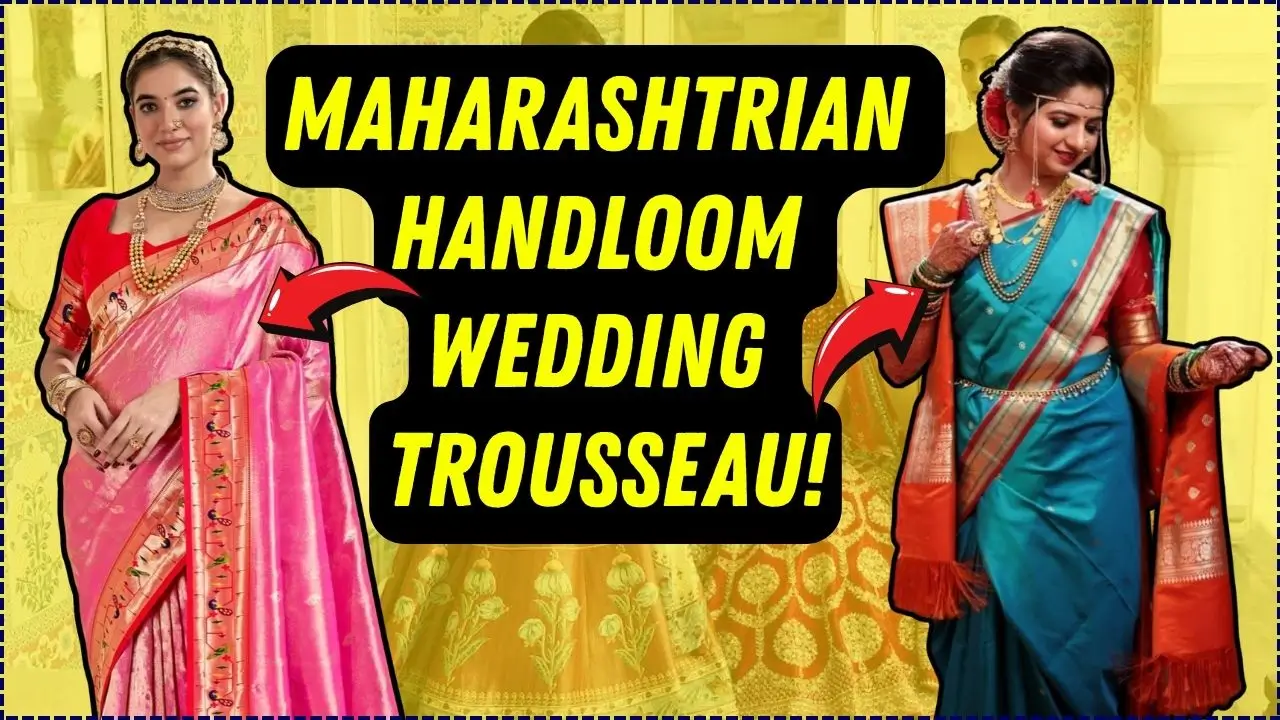

An authentic Yeola Paithani in 2025 usually starts around ₹20,000 for simpler handwoven pure-silk pieces and climbs to ₹60,000–₹2,00,000+ for heavier zari, bridal brocades, and intricate all-over motifs. Machine-assisted “Paithani-style” sarees can look similar online but typically fall in the ₹3,000–₹15,000 band and are not comparable in craftsmanship, longevity, or heirloom value. If you’re shopping with intention, anchor your decision to weave type, silk grade, zari specification, motif density, and seller credibility not just a glossy catalog photo.

This authentic Yeola Paithani price guide keeps your budget grounded in reality: expect ₹20,000–₹50,000 for entry to mid-range handloom pure-silk sarees, and ₹60,000–₹2,00,000+ when you step into premium zari, dense brocades, and heirloom-grade work. Verify handloom claims through reverse-side photos, ask for Silk Mark or Handloom Mark where available, and compare like-for-like handloom to handloom, similar motifs, similar zari so you don’t overpay or get misled by powerloom lookalikes.
Table of Contents
How Much Should You Pay for an Authentic Yeola Paithani
| Segment | Typical 2025 Prices | What You Get | Buying Notes |
|---|---|---|---|
| Powerloom/Paithani-style | ₹3,000–₹15,000 | Synthetic or blended bases, quick weave, basic motifs | Styling value, not heirloom; often lacks detailed material disclosure |
| Entry Handloom Pure Silk | ₹20,000–₹30,000 | Classic motifs, lighter butis, authentic Yeola weave | Strong starting point for genuine handloom |
| Mid-Range Authentic | ₹35,000–₹60,000 | Muniya borders, richer pallus, sharper detailing | Ideal for trousseau; good craft-to-price balance |
| Heirloom/Bridal & Brocade | ₹60,000–₹2,00,000+ | Dense all-over work, heavier zari, weeks to months of weaving | Verify zari specs, weave time, and seller credibility |
If the goal is an authentic Yeola Paithani in 2025, set expectations at ₹20,000–₹50,000 for traditional handloom pure-silk sarees, and ₹60,000–₹2,00,000+ for heirloom or bridal brocade-heavy pieces. Protect your budget by verifying handloom status, scrutinizing material and zari details, asking for reverse-side photos, and seeking certifications where possible. Compare like-for-like to avoid overpaying handloom to handloom, similar motifs and zari and lean toward classic colors and timeless motifs to safeguard longevity and future resale value. This approach keeps you firmly in authentic territory while maximizing value for money.
Quality Silk
- Pure mulberry silk increases drape, sheen, and durability and it meaningfully raises the base cost.
- Retailers segment collections by silk richness and finishing; higher bands reflect premium yarn and stringent quality checks.
Zari Work
- Tested or premium zari content directly impacts pricing, especially in borders and pallu where thread density is highest.
- Bridal or tissue/brocade fields require more metallic thread and time, elevating both material and labor costs.
Design Intricacy
- Motif density (Muniya, lotus, peacock, Morbangadi), all-over butis, and brocade fields increase picks per inch and loom time.
- Crisp detailing and packed layouts typically command a significant premium over sparse, minimal-motif designs.
Geographical Location
- Yeola-linked sellers often deliver sharper value on authentic pieces than generic metro boutiques.
- Curated boutiques may price higher for selection, service, and post-purchase support but also offer confidence and curation.
Price Ranges And What To Expect
- ₹5,000–₹15,000: Usually powerloom or semi-soft blends. Great for budget styling, festivals, or occasional wear, but not equivalent to Yeola handloom.
- ₹15,000–₹50,000: The sweet spot for many buyers better silk, moderate to rich zari options, increasingly intricate motifs; rising share of genuine handloom.
- ₹50,000–₹2,00,000+: Premium silk, heavy tested/pure zari, complex pallus and borders, and occasionally months of weaving time. Intended for bridal, heirloom, and serious collectors.
How To Spot Genuine Value
Tips For Identifying Quality Craftsmanship
- Inspect the reverse: handloom pieces show clean pick-ins and subtle, human irregularities; machine-made is uniform and flat.
- Study motif sharpness: crisp, three-dimensional detail in butis and borders signals tighter control and higher skill on the loom.
Red Flags To Watch Out For
- “Same look” claims at a fraction of the price: if a ₹60,000 handloom design is offered for ₹6,000, it’s almost certainly powerloom or a blend.
- Vague product pages: no weave detail, no close-up border/pallu shots, no fabric or zari specification, and no mention of lineage or certification.
Live Market Reality Checks
- Common entry authentic pricing for pure-silk handloom Yeola often clusters around the ₹20,000–₹30,000 range for simpler layouts.
- Mid-range handloom with Muniya borders, richer pallus, or dense butis tends to fall in the ₹35,000–₹60,000 band.
- Premium boutique selections, tissue/brocade edits, and heavy-zari bridal pieces routinely push into ₹60,000–₹2,00,000+.
Buying Checklist For 2025
- Confirm weave type: ask explicitly for handloom; request reverse-side photos and close-ups of border and pallu.
- Verify material: look for pure silk in the description and clarity on zari (tested/pure), not just “gold thread.”
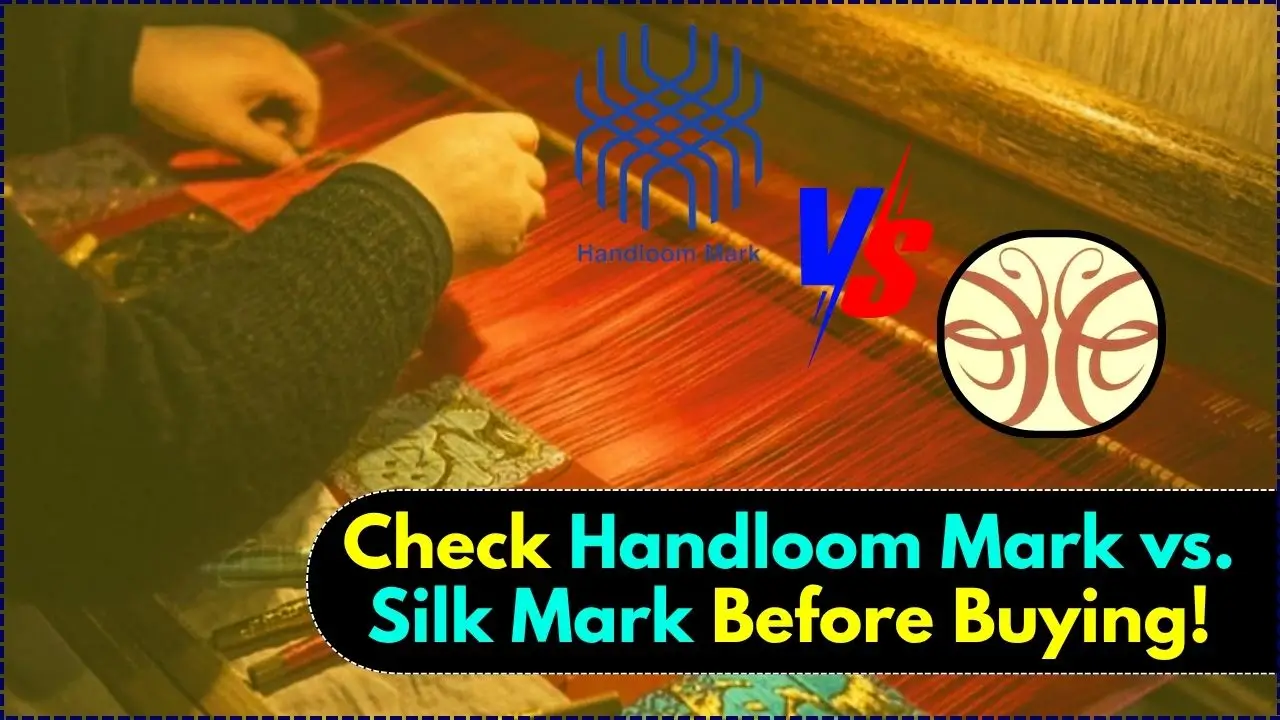
- Ask for certifications: Silk Mark or Handloom Mark, when available, plus detailed invoices enhance confidence.
- Compare like-for-like: never benchmark a handloom against a powerloom; match weave type, motif density, and zari.
- Probe provenance: ask which cluster or loom house in Yeola produced the saree and how many days were spent weaving it.
- Evaluate service: returns, aftercare guidance, and willingness to share detailed photos often correlate with trustworthiness.
How To Budget Without Overpaying
- Start with craft over bling: choose pure silk and clean, traditional motifs over heavy zari if the budget is tight this preserves heirloom value.
- Target the sweet spot: ₹25,000–₹45,000 often balances authenticity, motif sharpness, and longevity for most buyers.
- Plan for heirloom: if heirloom is the goal, be ready for ₹60,000+ and focus on denser brocades, premium zari, and superior finishing.
- Time your purchase: during major retail events, reputable stores may offer modest, transparent discounts—use these to step up a tier without compromising authenticity.
Care, Longevity, And Resale Considerations
- Storage: keep the saree in a breathable muslin bag, folded with the pallu and borders supported; refold periodically to avoid permanent creasing.
- Cleaning: dry clean sparingly; air out after wear; avoid spraying perfume directly on silk or zari.
- Resale value: authentic Yeola handloom, especially classic colors and motifs, retains better value than trendy blends or powerloom variants.
How To Read Product Pages Like A Pro
- Material clarity: “pure silk,” “mulberry,” and explicit zari specs outrank vague “silk feel” language.
- Photos that matter: insist on macro shots of motifs, pallu, and selvedge these reveal weave quality.
- Design language: terms like Muniya border, Morbangadi pallu, lotus or peacock butis, and “rich pallu” indicate complexity that should align with price.
- Maker story: mentions of Yeola artisans, loom time, or cluster names add credibility.
Smart Alternatives If Prices Feel High
- Lighter layouts: opt for simpler borders and spaced butis to enter authentic handloom at a lower spend.
- Color strategy: classic hues (parrot green, peacock blue, wine, turmeric) rarely go out of fashion and hold value.
- Semi-zari handloom: where offered transparently, semi-zari handloom can bridge quality and price while keeping the soul of the craft intact.
FAQs on How Much Should You Pay for an Authentic Yeola Paithani
What Is a Fair 2025 Price for An Authentic Yeola Paithani?
A reasonable budget is ₹20,000–₹50,000 for classic handwoven pure-silk sarees, with premium brocades and heavy-zari bridal pieces ranging from ₹60,000 to ₹2,00,000+ based on complexity and weave time.
How Do Handloom and Powerloom Paithani Differ in Price and Value?
Powerloom versions typically range from ₹3,000–₹15,000 and are fine for styling, but genuine Yeola handloom costs more due to pure silk, real weaving time, and heirloom-grade craftsmanship.
Do Yeola Sellers Offer Better Value?
Often yes Yeola-focused stores and workshops commonly reflect sharper pricing for authentic handloom, especially for simpler pure-silk designs in the ₹20,000–₹30,000 band.
Are Certifications Necessary?
They’re not the only signal, but Silk Mark or Handloom Mark and a detailed invoice reduce risk and help ensure you’re paying handloom prices for true materials and craftsmanship.