
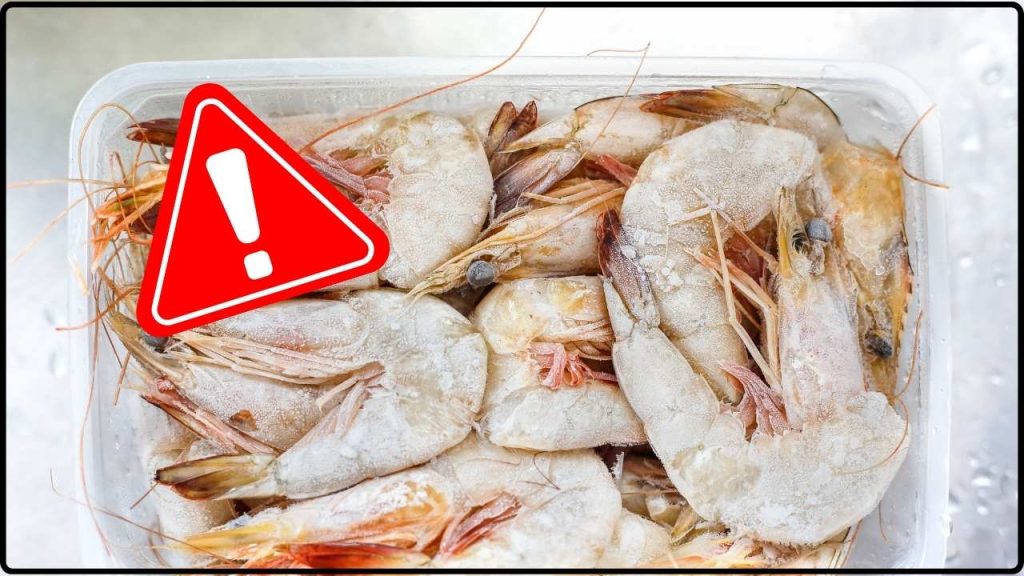
Frozen Shrimp Recall: FDA Issues Warning Over Possible Cesium‑137 Contamination has shaken up the food industry and households across the U.S. In December 2025, the U.S. Food and Drug Administration (FDA) recalled over 83,800 bags of frozen shrimp, citing a potential risk from Cesium-137, a radioactive material. This isn’t just another routine recall—it’s a wake-up call on food safety, import monitoring, and public health awareness. While the contamination levels were reportedly low and no health incidents have been confirmed, the mere presence of a radioactive isotope in food has understandably raised eyebrows. In this article, we break down everything you need to know—from what Cesium‑137 is, to what you should do if you bought any of the recalled shrimp. Whether you’re a seafood lover, a food service professional, or just someone who wants to keep your family safe, you’ll find everything you need right here.
Table of Contents
Frozen Shrimp Recall
The Frozen Shrimp Recall tied to Cesium‑137 contamination is a critical reminder of how complex and interconnected our food systems are. While the health risk appears low, the presence of a radioactive substance—even in trace amounts—is a serious concern. The good news? The recall shows that safety protocols work, agencies are watching closely, and consumers are being kept in the loop. If you’ve bought frozen shrimp recently, double-check the labels. Take precautions. And know that keeping food safe is a job that includes you, retailers, scientists, and regulators alike. The system isn’t perfect—but transparency, responsibility, and education go a long way in protecting our plates.
| Item | Details |
|---|---|
| Agency Issuing Recall | U.S. Food and Drug Administration (FDA) |
| Contaminant of Concern | Cesium‑137 (Cs‑137) — radioactive isotope |
| Amount Recalled | Approx. 83,800 bags |
| Brand Names Affected | Market 32, Waterfront Bistro |
| Distributor | Direct Source Seafood LLC (Bellevue, WA) |
| Country of Origin | Indonesia |
| States Impacted | 17 U.S. states including NY, IL, CO, OR, VT |
| Best-By Dates | April 22–27, 2027 |
| Official Recall Information | FDA Recall Notice |
What Is Cesium‑137 and Why Is It a Big Deal?
Cesium‑137 is not something you expect to hear about in the context of seafood. It’s a man-made radioactive isotope formed as a byproduct in nuclear reactors and during nuclear weapons testing. In controlled environments, it’s used in cancer treatment, industrial gauges, and scientific research. But in food? That’s an entirely different story.
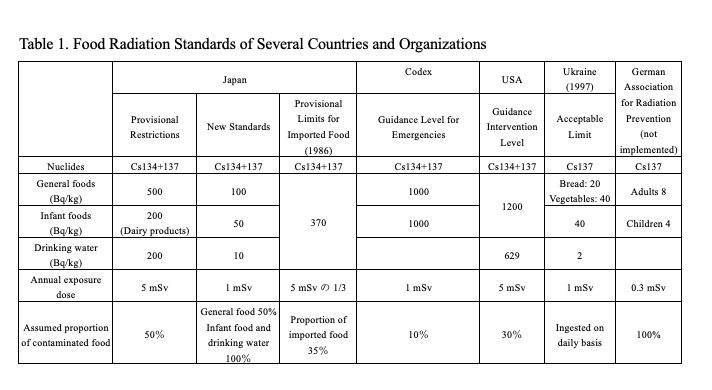
When ingested in large or repeated amounts, Cesium‑137 can increase the risk of cancer. It emits beta and gamma radiation, which can damage human cells and DNA. The FDA has set a Derived Intervention Level (DIL) of 1,200 becquerels per kilogram (Bq/kg) for Cs‑137 in food. While the contaminated shrimp tested at much lower levels—approximately 68 Bq/kg—any detectable level triggers caution.
How Radiation Testing Works in Imported Foods?
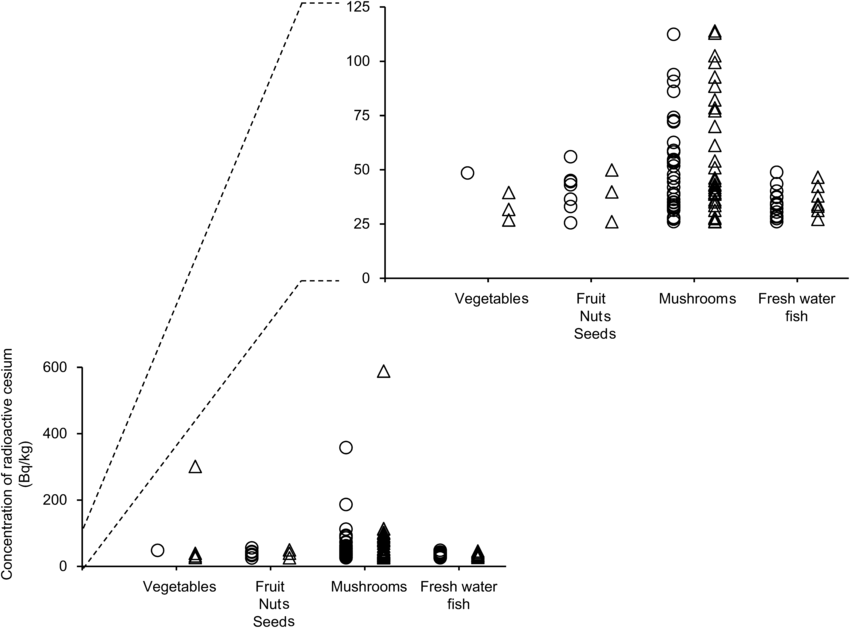
Radiation screening of imported foods happens at U.S. ports of entry, mainly using tools such as radiation portal monitors and handheld detectors. If anything unusual shows up, samples are sent to FDA labs for deeper testing using high-precision gamma spectrometry.
Here’s how the process works:
- Initial Screening – Shipping containers pass through detection gates, and if radiation is flagged, they are pulled aside.
- Lab Analysis – Samples from the shipment are analyzed to detect and quantify any isotopes, including Cs‑137.
- Risk Assessment – If the detected levels exceed safety thresholds or appear unnatural, the FDA investigates the source.
- Recall & Import Alert – If contamination is confirmed, the FDA initiates recalls and can ban future imports from the supplier.
This type of testing is rare for seafood, but the detection of Cs‑137 prompted the agency to dig deeper into shrimp imports from Indonesia.
Where the Shrimp Was Sold and Brands Involved?
The affected products were primarily sold under two brands:
Market 32
- 1-pound bags of frozen raw shrimp
- Sold at Price Chopper supermarkets in northeastern states like New York, Pennsylvania, Vermont, and Connecticut.
Waterfront Bistro
- 2-pound bags of frozen shrimp
- Distributed through large grocery chains like Safeway, Albertsons, Jewel-Osco, and Lucky in states including Illinois, Colorado, Nevada, Oregon, and Indiana.
According to the FDA and distributors, these products were shipped between mid-2025 and late November 2025, with “best by” dates running from April 22 to April 27, 2027.
Frozen Shrimp Recall: What You Should Do If You Bought This Shrimp
If this recall involves something sitting in your freezer, don’t panic—but do take action. Here’s what to do:
1. Check the Package
Look for the brand (Market 32 or Waterfront Bistro), the weight (1lb or 2lb), and the best-by date. If it matches the recall list, it’s time to act.
2. Don’t Eat It
Even if the shrimp looks and smells fine, do not consume it. Radiation isn’t something you can detect with your senses.
3. Dispose or Return
Dispose of it in a sealed bag or return it to the place of purchase for a refund. Most grocery chains are cooperating with the recall without requiring a receipt.
4. Sanitize Surfaces
If the shrimp touched your countertops, storage trays, or kitchen tools, clean them with soap and water. The chance of surface radiation is very low, but it’s always best to practice good hygiene.
No Illnesses Reported — But Stay Informed
As of now, no illnesses or injuries have been reported in connection with the recalled shrimp. That’s good news. But radiation exposure often doesn’t cause immediate symptoms, and that’s part of the concern.
Unlike bacterial contamination (like Salmonella or E. coli), radioactive substances don’t spoil food—they just pose long-term risk. This is why consumer awareness and regulatory action are so crucial.
What Frozen Shrimp Recall Means for the Seafood Industry?
This incident is more than just a recall—it highlights the challenges in global food trade, quality control, and risk communication. Here’s what seafood professionals and food safety experts should be thinking about:
Supplier Verification
Importers must verify the safety of their international suppliers, particularly those in countries where industrial or environmental regulations may differ from U.S. standards.
Traceability
Distributors need better digital tracking systems to trace the origin of seafood quickly. Blockchain and RFID-based tools are becoming popular in modern supply chains.
Staff Training
Grocery retailers and restaurant teams should be trained on how to handle recalls efficiently, including customer communication and returns.
Regulatory Cooperation
The FDA is working closely with Indonesian authorities, demanding corrective action and re-evaluation of processing plants involved in the shrimp supply chain.
Why Consumer Trust Matters More Than Ever?
In the age of digital transparency and health-first shopping habits, consumer trust can make or break a food brand. A recall like this—especially one involving something as scary-sounding as radioactivity—has lasting reputational effects.
Tips for Brands to Rebuild Trust
- Communicate honestly: Let consumers know what happened, what’s being done, and how they’ll be kept safe.
- Offer refunds or alternatives: Don’t make customers jump through hoops.
- Improve labeling: Add origin information and inspection certifications on packaging to increase consumer confidence.
Expert Opinion On Frozen Shrimp Recall– What Scientists and Safety Pros Say
Dr. Emily Carson, a radiation toxicologist and consultant for food safety labs, explains:
“At the levels detected, the shrimp would not cause acute harm. But Cs‑137 is not something we want in our food supply at all. It’s the kind of issue that reminds us why import testing and inter-agency cooperation are so essential.”
FDA officials added in a public update that “consumer exposure remains unlikely,” but emphasized that “the shrimp were held under conditions that potentially allowed for contamination, which is why the recall is being treated seriously.”