
Amazon $309M Settlement: If you’ve shopped on Amazon anytime in the past few years, you may be in for a surprising refund. The Amazon $309 million settlement is big news—and it affects potentially millions of customers across the U.S. who didn’t receive proper refunds after returning items. That’s right, whether you’re a casual shopper or a business buyer, you might be owed money without even knowing it. The class action lawsuit that led to this settlement accused Amazon of denying or mishandling refunds on returns going as far back as 2017. In this article, we’ll cover everything you need to know—who’s eligible, how to check if you’re affected, how much money you could get, and why this matters for consumers and the industry as a whole.
Table of Contents
Amazon $309M Settlement
The Amazon $309 million settlement is a reminder that even the biggest names in tech must be held accountable to customers. If you returned items on Amazon and didn’t get your money back—or got shorted—this is your chance to be made whole. Take a few minutes to check your email, Amazon order history, and bank accounts. You might be surprised to find money owed to you—and better yet, a company working to fix what went wrong.
| Detail | Information |
|---|---|
| Settlement Amount | $309 million in direct customer compensation |
| Total Relief | Over $1 billion including system improvements and prior refunds |
| Eligibility Period | September 2017 – early 2026 |
| Eligible Customers | U.S. shoppers who returned Amazon items but did not receive proper refunds |
| Compensation Type | Full refund amount + interest; no claim needed for most |
| Payout Method | Automatic: credit card, gift card, PayPal, Venmo, etc. |
| Legal Case Reference | In re: Amazon Return Policy Litigation, No. 2:23-CV-1372-JNW |
| Official Source | Western District of Washington |
What Is the Amazon $309M Settlement About?
The lawsuit accused Amazon of failing to provide full and accurate refunds to customers who properly returned items. Some customers reported:
- Receiving no refund at all even after following Amazon’s return process.
- Getting only partial refunds that didn’t match the item value.
- Being recharged days or even weeks after successfully returning the item.
The issue spanned thousands—possibly millions—of transactions between September 2017 and early 2026. Although Amazon denies any wrongdoing, it agreed to settle to avoid prolonged litigation.
The company has already issued over $600 million in refunds as part of its ongoing efforts to correct past mistakes and is investing an additional $363 million in improving its systems.
Who Is Eligible for an Amazon $309M Settlement?
Eligibility is fairly broad. You may be eligible if:
- You made purchases on Amazon.com as a U.S. customer.
- You returned physical goods between September 2017 and 2026.
- You did not receive a full refund, received an incorrect refund, or were charged again after returning an item.
Notably, this includes everything from electronics and home goods, to books, toys, apparel, and tools.
Examples of qualifying scenarios:
- You returned a pair of sneakers and only received a partial refund.
- You returned a tablet but didn’t see a refund hit your bank.
- Your account was charged again for a vacuum you already sent back.
Amazon is identifying affected customers internally. Most do not need to file a claim; if you’re eligible, you’ll be contacted.
How Much Will Customers Receive?
The refund amounts will vary by person and transaction, but most will include:
- Full reimbursement for the value of the returned item(s)
- Interest compensation
- Automatic payment via Amazon gift card, credit card, or linked payment services (PayPal, Venmo)
Some customers have reported receiving between $15 and $150, while others could receive more depending on the number and value of mishandled returns.
There is no minimum or maximum set by the court. If you’re owed money, it will be calculated based on actual losses you incurred.
Step-by-Step Guide to Check If You’re Affected
Here’s how you can find out whether you’re eligible for a refund and track your status:
1. Check Your Email
Amazon has started emailing affected customers. Look for emails with subject lines like:
- “Notice of Settlement – Amazon Refund”
- “Amazon Return Policy Litigation Notification”
These emails explain how the settlement affects you, how much you may receive, and where the refund will be sent.
2. Log In to Your Amazon Account
Go to your Order History and:
- Review purchases between 2017 and 2026
- Focus on items that were returned
- Confirm whether a refund was received and matched the item value
3. Review Your Payment Statements
If a return didn’t show up in your refund history, check your:
- Credit card or bank statement
- PayPal or Venmo transactions (if linked to your Amazon account)
- Amazon gift card balance
4. Watch for Refunds
Refunds are already being distributed. You may see:
- Gift card credits in your Amazon wallet
- Refunds to the original payment method
- PayPal or Venmo credits (depending on how you paid)
5. Contact Customer Support If Necessary
If you suspect you were impacted but haven’t heard anything:
- Contact Amazon’s Customer Service
- Provide order numbers and return details
- Be specific about what refund is missing or incorrect
Legal Insights: Understanding the Class Action Process
This case was filed in the U.S. District Court for the Western District of Washington under the title In re: Amazon Return Policy Litigation. A class action lawsuit lets one or more plaintiffs represent a larger group who’ve experienced the same harm.
The judge overseeing the case will need to approve the final settlement. Once approved:
- Funds will be distributed
- Amazon will officially resolve legal claims
- No further lawsuits on the same matter can be filed by affected parties
Class action suits are a powerful consumer protection tool. They give everyday customers a voice against corporate mishandling without needing to file individual lawsuits.
How Amazon Plans to Prevent This from Happening Again?
In addition to direct payments, Amazon has pledged to improve:
- Return verification processes using advanced logistics and tracking
- Refund automation systems to reduce error
- Customer notification tools to improve refund transparency
- Customer support training for better dispute resolution
These changes are expected to cost over $363 million and include audits to ensure compliance.
For a tech-driven company like Amazon, this is a signal that even the most automated systems need human checks and accountability.
Why Amazon $309M Settlement Matters for Shoppers?
This settlement is a rare example of a tech giant being held accountable for consumer experience errors. It reinforces the idea that:
- Refund transparency matters
- Customer experience is as important as delivery speed
- Consumer rights are protected by law
Whether you’re a college student returning a textbook or a parent buying school supplies, you deserve fair treatment when returning items online.
Implications for E-Commerce Businesses
If you’re in retail, logistics, or technology, this is a wake-up call. Key takeaways:
- Returns and refunds are not just “back-end” operations — they are brand reputation tools.
- Errors in automation can scale quickly — millions of dollars in losses, legal trouble, and PR headaches.
- Proactive audits of refund processes can prevent class actions.
Smaller e-commerce companies should study this case as a lesson in accountability, transparency, and the importance of customer-centric design.
Expert Consumer Advice
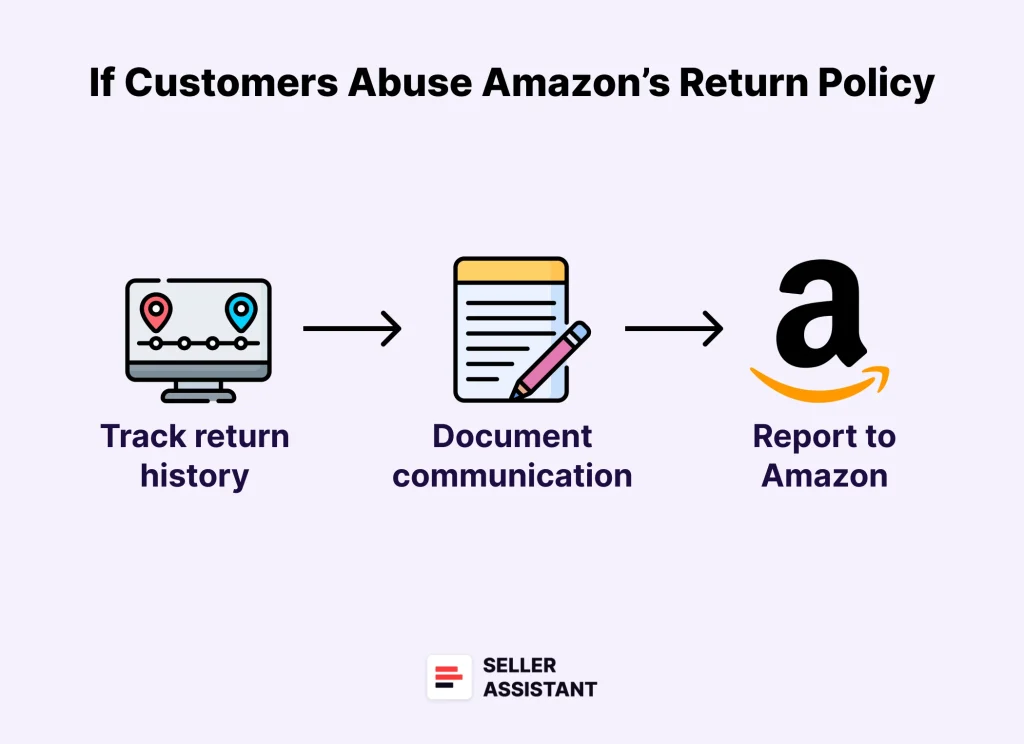
- Track every return – Save emails and take photos of return labels and packages.
- Use secure payment methods – Credit cards and PayPal offer dispute resolution features.
- Set calendar reminders – If a refund isn’t received within 5–7 business days, take action.
- Know your rights – Visit FTC.gov to understand e-commerce regulations.
- Report problems – Filing complaints.
Google Class Action Settlement – How to Qualify for the $68 Million Voice Assistant Payout
$147 Payment for Everyone – Cash App Agrees to $12.5M Settlement Over Spam Texts Class Action Claims
$147 Settlement Payment Approved — See Who Qualifies and When Payments May Go Out