

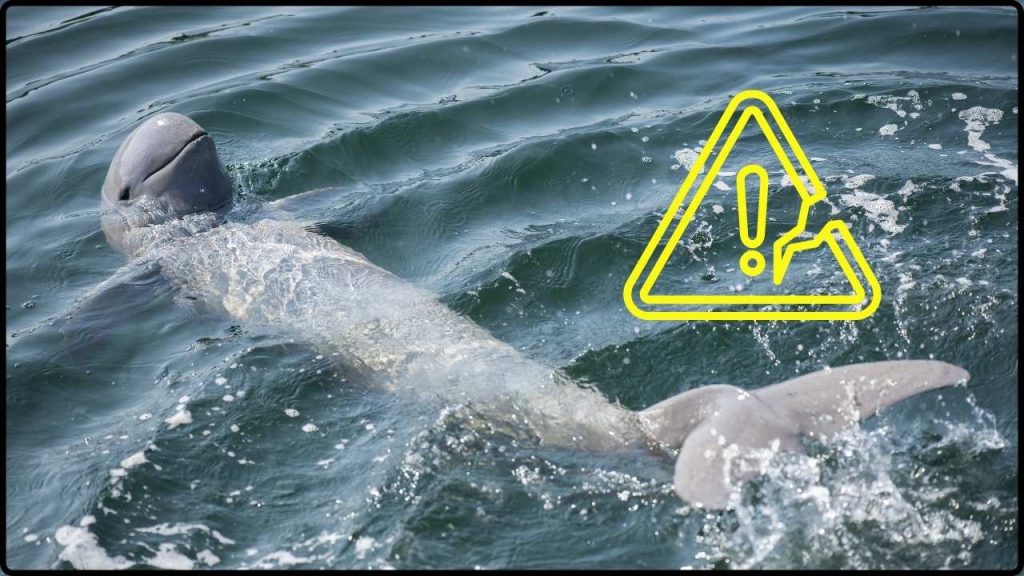
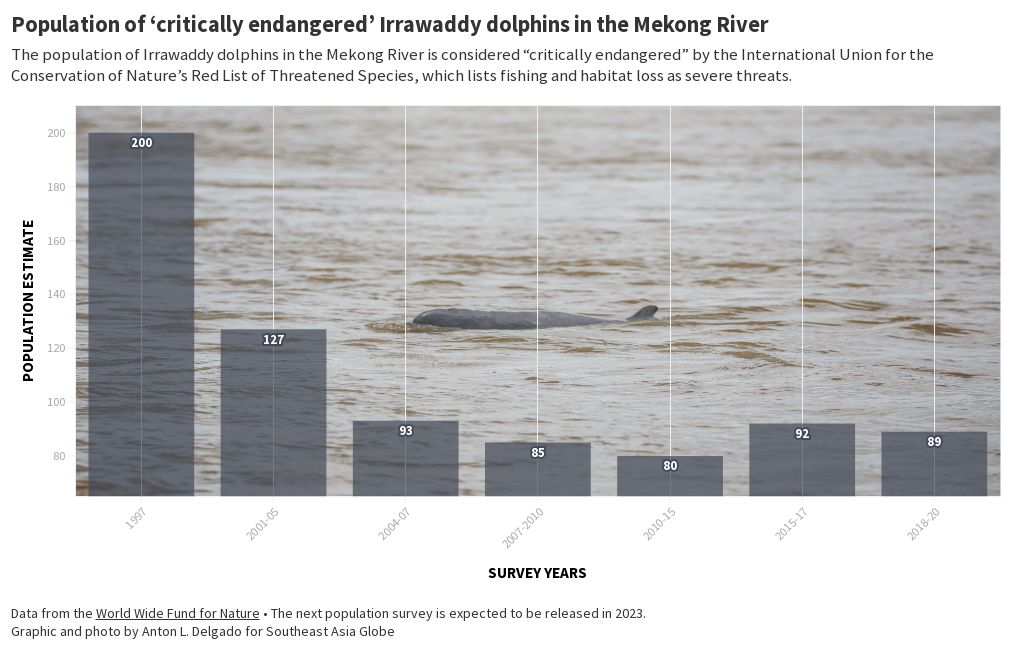
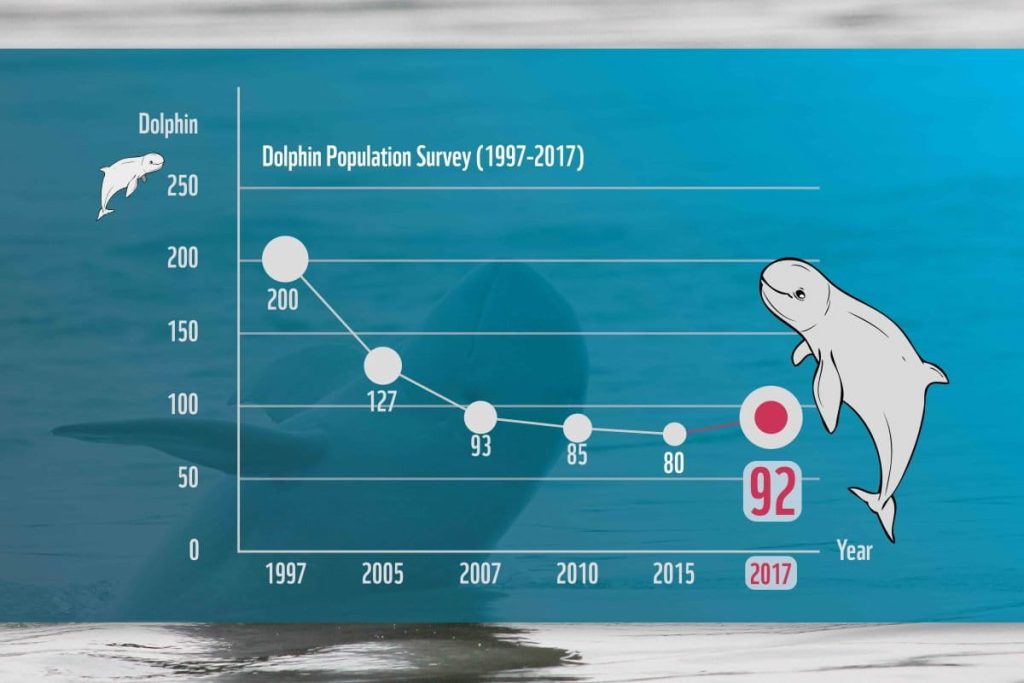
Irrawaddy Dolphin Extinction Alert: this headline isn’t just a grim statistic; it’s a cry for help from the rivers of Southeast Asia. The Irrawaddy dolphin, once a sacred symbol of life in freshwater ecosystems, is now clinging to existence. In Cambodia’s Mekong River, fewer than 100 individuals are believed to remain. In other places, like Thailand’s Songkhla Lake, their numbers have dropped to single digits. These creatures aren’t just a “rare species” — they are messengers from the water, deeply woven into the stories and survival of riverside communities. Their fading presence warns of a broader ecological collapse. When a dolphin disappears, it’s not just a loss of life — it’s a loss of balance.
Table of Contents
Irrawaddy Dolphin Extinction Alert
The Irrawaddy dolphin is a living legend of Asia’s rivers. Its disappearance would not only mark a tragedy for biodiversity but also break an ancient bond between people and water. With fewer than 100 dolphins left in some rivers, the time to act is now. By supporting sustainable development, community-led conservation, and international protections, we still have a chance to save them. Let’s be the generation that heard the river’s warning — and responded.
| Aspect | Details |
|---|---|
| Scientific Name | Orcaella brevirostris |
| Conservation Status | Endangered globally, Critically Endangered in river populations (IUCN Red List) |
| Major Populations | Mekong (Cambodia), Mahakam (Indonesia), Ayeyarwady (Myanmar), Songkhla Lake (Thailand) |
| Current Estimates | Mekong: 80–100; Mahakam: ~70; Ayeyarwady: ~60; Songkhla Lake: ~17 |
| Key Threats | Bycatch, habitat loss, dam construction, pollution, vessel traffic, noise |
| Cultural Relevance | Seen as sacred in Khmer, Lao, and Burmese folklore |
| Official Protection Zones | Cambodia’s Kratie stretch, Mahakam wetland reserve, Myanmar river sanctuaries |
What Is the Irrawaddy Dolphin? A One-of-a-Kind River Species
The Irrawaddy dolphin (Orcaella brevirostris) is a freshwater and coastal species found in the brackish and riverine waters of Southeast Asia. Despite being technically related to orcas (killer whales), these dolphins have more in common behaviorally with river dolphins, like those of the Amazon.
Here’s what makes them so unusual:
- No long snout like typical dolphins
- A rounded head, giving them a baby-faced or “smiling” look
- Found in freshwater rivers, estuaries, and shallow coastal waters
- Tend to be shy, gentle, and socially intelligent
- Known to spit jets of water to herd fish while feeding
They don’t perform tricks or leap high in the air — they glide quietly through waters that, increasingly, are polluted and dangerous.
Where Do They Live? A Habitat Under Siege
Irrawaddy dolphins are spread across Southeast Asia, but in very fragmented, isolated populations.
1. Mekong River (Cambodia)
The most well-known group lives in the Kratie and Stung Treng provinces. Conservation efforts here are among the most advanced, including protected areas and community patrols.
2. Mahakam River (Borneo, Indonesia)
This remote inland population is regularly studied, with an estimated 70 individuals remaining. The Mahakam River faces growing pressure from industrial activity, particularly coal and palm oil transport.
3. Ayeyarwady River (Myanmar)
A population under extreme threat, with only about 60 dolphins, and possibly fewer due to underreporting. These dolphins are still known to cooperate with fishers — a rare human-animal partnership.
4. Songkhla Lake (Thailand)
Home to a critically endangered population. A 2023 survey reported just 17 individuals remain in the lake. Habitat degradation is accelerating due to development and pollution.
Why Are Irrawaddy Dolphin Extinction Alert?
Let’s break down the major threats pushing this species to the brink:
Bycatch in Fishing Nets
The number one cause of death. Irrawaddy dolphins are slow swimmers and can’t always escape from gillnets or trammel nets used in artisanal and commercial fishing. Drowning occurs when they’re trapped underwater and can’t surface to breathe.
Hydropower Dams and River Fragmentation
Dams not only change water flow and reduce fish migration — they also break up dolphin habitats, cutting groups off from one another. These interruptions lead to genetic bottlenecks and lower survival rates.
Pollution and Chemical Runoff
Fertilizers, oil waste, sewage, and mining runoff poison the waters. Dolphins, being apex predators in their habitat, accumulate these toxins in their bodies over time, weakening their immune systems and reproductive capabilities.
Boat Traffic and Underwater Noise
Dolphins depend on echolocation to find food and communicate. Heavy boat traffic — especially from unregulated tourism or industry — creates acoustic pollution, leaving dolphins disoriented and stressed.
Climate Change
Lower rainfall, higher temperatures, and more erratic weather patterns impact water levels and oxygen content in river systems, making already fragile ecosystems even harder to survive in.
Cultural and Spiritual Significance
In places like Cambodia and Laos, Irrawaddy dolphins are seen as spirit guardians of the river. Local communities believe harming dolphins brings bad luck. Ancient folklore often includes stories of dolphins guiding fishermen or saving drowning children.
These beliefs have protected the species to some extent, as villagers avoid hunting them — but modern pressures like population growth and industrial expansion are eroding these traditional boundaries.
A Case Study in Cooperative Fishing – Ayeyarwady River, Myanmar
In one of the most astonishing behaviors seen in wild animals, Irrawaddy dolphins in Myanmar work with fishermen to herd fish into nets. Fishers use tapping sounds to signal dolphins, who then drive fish toward the nets — and wait for their “reward” fish afterward.
This cooperative hunting behavior has been studied by biologists and is learned behavior passed from one generation to the next. When dolphins vanish, so too does this ancient cultural exchange between humans and wildlife.
Conservation in Action – What’s Being Done
Despite the threats, not all hope is lost.
Protected Areas
- Cambodia’s Kratie and Stung Treng provinces are part of a 180 km long Irrawaddy Dolphin Conservation Area established in 2012.
- Indonesia has declared Mahakam Dolphin Reserves and restricted some boat activity in core areas.
- Thailand has invested in population monitoring and tagging programs to track Songkhla’s dolphins.
Non-Governmental Organizations (NGOs)
Groups like WWF, Wildlife Conservation Society, and Cambodian Rural Development Team (CRDT) have built community partnerships, education programs, and alternative livelihood training to help reduce dolphin deaths.
Eco-tourism Initiatives
Eco-tourism, especially in Cambodia, provides economic incentives to local people for keeping dolphin populations healthy. Tour guides, boat drivers, and local vendors all benefit from conservation.
Why Irrawaddy Dolphin Extinction Alert Matter?
1. They’re Keystone Species
Their health reflects the health of the whole river. If they vanish, it signals widespread ecological collapse.
2. They Support Local Economies
In places like Kratie, dolphin-watching brings in tens of thousands of visitors per year, providing a strong financial argument for conservation.
3. They Inspire Future Generations
Children in riverside communities often grow up with dolphins as icons of wisdom and connection to nature. Preserving that link helps nurture environmental stewardship.
Action Steps – What You Can Do
Even if you live far from the Mekong, here’s how you can help:
- Donate to credible organizations like WWF or Dolphin Project.
- Avoid unsustainable seafood – support retailers who use dolphin-safe fishing methods.
- Spread awareness – share articles, documentaries, and petitions.
- Support policy change – urge leaders and development agencies to review dam-building plans and prioritize wildlife corridors.
- Learn and teach – use these dolphins as an educational opportunity in classrooms, community centers, or faith groups.
Earthquake Science Just Changed Forever; Researchers Unveil a Groundbreaking Math-Based Method
Science Confirms It: There’s a Neurological Reason December Feels Like It Comes Faster Every Year
U.S. Driving Enters a New Era as NHTSA Moves to Modernize Safety Standards for Self-Driving Cars