
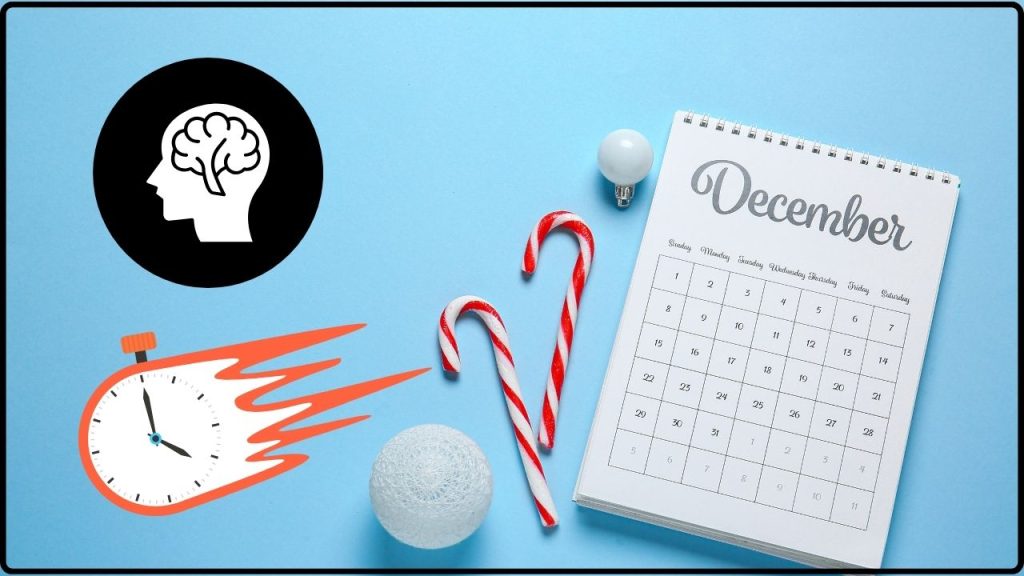
There’s a Neurological Reason December Feels Like It Comes Faster Every Year: Ever catch yourself saying, “Wait, how is it already December?” Don’t worry, you’re not losing it — and you’re definitely not alone. Science confirms it: there’s a neurological reason December feels like it comes faster every year. It’s not magic, and no, the calendar isn’t actually speeding up. It’s your brain, and it’s doing what it was built to do.
This article is your go-to guide for understanding why time feels like it speeds up, especially during the holidays, and what you can do to mentally slow things down. Whether you’re a busy parent juggling school drop-offs and gift shopping, a professional rushing toward year-end goals, or a student counting down the days to break — we’ve got you covered. Let’s dive into the science, psychology, and practical strategies behind our warped sense of time.
Table of Contents
There’s a Neurological Reason December Feels Like It Comes Faster Every Year
So next time you blink and suddenly it’s New Year’s Eve, remember: It’s not just the rush — it’s your brain at work. December feels like it comes faster every year because your mind is compressing repeated experiences into a neat little mental package. But you’re not powerless. With a few brain-based strategies — novelty, mindfulness, journaling, and breaking the routine — you can stretch out your time and make every moment feel more meaningful.
| Topic | Key Insight |
|---|---|
| Neurological Basis | Fewer memory “markers” make time feel shorter |
| Age & Time Perception | Older adults record fewer mental events |
| Cultural Routines | Repetition around holidays speeds up perception |
| Slow Time Tips | Novelty, mindfulness, and journaling help |
| Official Reference | Time Perception – Wikipedia |
How the Brain Perceives Time?
Unlike your phone’s stopwatch, your brain doesn’t actually have a built-in timer. It doesn’t measure seconds and minutes like a machine. Instead, it builds your sense of time based on memory, events, and attention.
This is called event-based time perception. Think of your brain like a scrapbook. When something new or emotional happens, it snaps a mental photo and files it away. When you look back on your day, week, or year, your brain uses those “photos” to figure out how long something felt.
So if December is filled with the same decorations, same holiday music, same office party, and same commute, your brain doesn’t bother snapping many pictures. And with fewer snapshots to reference, time feels like it just zipped by.
The Science Behind the “There’s a Neurological Reason December Feels Like It Comes Faster Every Year”
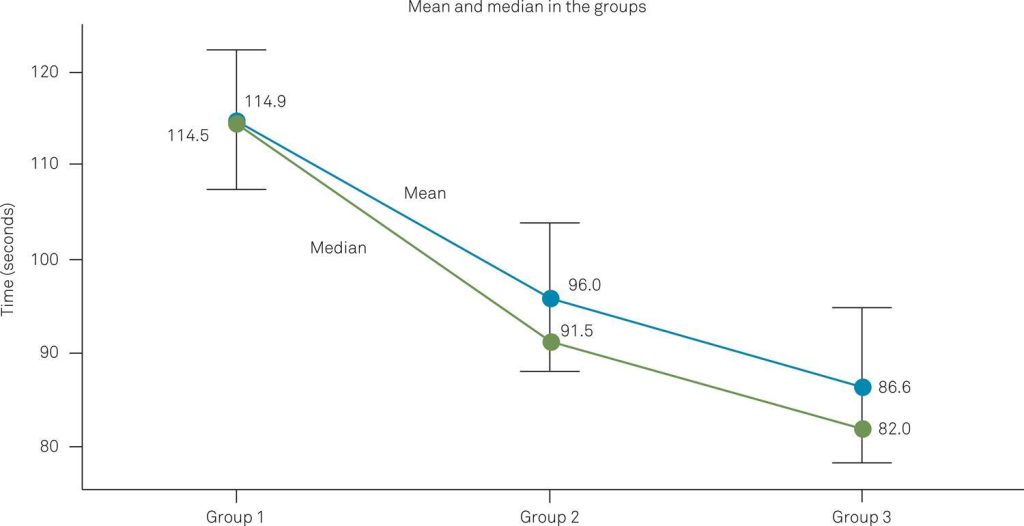
Let’s look at some hard science to back this up. A 2022 study in Communications Biology used functional MRI (fMRI) scans to monitor how people’s brains processed time while watching a video. Researchers found that participants with more “state transitions” — shifts in brain activity — perceived more time passing. Those with fewer shifts thought time went by quicker.
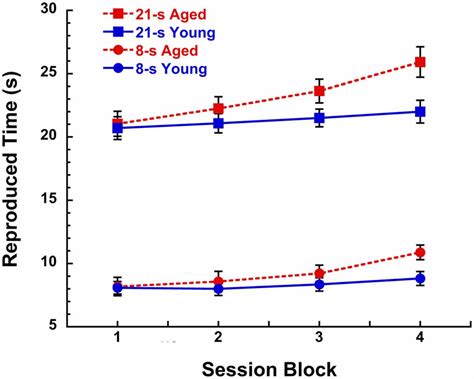
Older adults had significantly fewer of these shifts. That means as you age, your brain records fewer new events, so time feels shorter — especially in retrospect.
This neurological pattern isn’t a glitch. It’s an efficiency trick. The brain filters out “unimportant” or repetitive details so it doesn’t waste energy.
But there’s a catch: fewer details = faster perceived time.
Why December Feels Like It’s on Fast Forward?
Let’s break it down further.
- It’s Packed with Routines
December is stuffed with rituals — wrapping gifts, planning travel, watching “Home Alone” for the tenth time. The brain registers repeated events with less detail, so each year’s December looks a lot like the last. - It’s Overbooked
Work deadlines, school events, family plans, and holiday stress leave little time to process what’s happening. When you’re on autopilot, your brain doesn’t log many unique moments. - There’s a Lot of Anticipation
The month is focused on what’s coming — holidays, breaks, New Year’s. You’re mentally in the future, not in the present. This distracts your attention, shrinking your sense of time in the now. - Societal Pressure Amplifies the Feeling
Culturally, December is portrayed as “the end,” with ads screaming “last chance,” year-in-review posts, and reminders everywhere that time is running out.
The Role of Age and Memory Encoding
Childhood summers felt endless, right? That’s because you were constantly learning: riding a bike, going to summer camp, playing new games. Your brain was flooded with new information.
As we age, we get used to patterns. The daily grind becomes just that — a grind. Psychologist William James once said that time appears to speed up as we age because “fewer memorable events” happen.
One year for a 6-year-old is 1/6th of their life — a huge proportion. For a 40-year-old, it’s only 1/40th. Our brains scale time in relative proportions, not absolute ones.
Real-World Impact of There’s a Neurological Reason December Feels Like It Comes Faster Every Year
Professionals often experience the “December time warp” in the form of:
- Compressed project timelines
- Year-end evaluations
- Increased workload before holiday time off
- Budget freezes and deadlines
Students feel it during:
- Final exams
- Report cards
- Holiday break prep
Parents juggle:
- School concerts
- Gift shopping
- Travel plans
These activities pull attention in 10 directions. When attention is scattered, the brain skips details, reducing memory and shrinking perceived time.
The Psychological Theories at Play
A few big theories help explain all this:
- Oddball Effect: Unusual things feel longer because they grab attention.
- Chronostasis: The brain fills in gaps during eye movement, which can trick us into thinking a moment lasted longer than it did.
- Hedonic Adaptation: We get used to joy (or stress), so even exciting things like the holidays can blur together over time.
- Retrospective vs. Prospective Time Perception: We judge time differently while experiencing it (prospective) versus looking back on it (retrospective).
How to Slow Down Time – A Practical Guide
Thankfully, there are ways to hack your perception and reclaim that rich, full feeling of time.
1. Add Novelty to Your Routine
Routine is a time-killer. Novelty sparks your brain and creates distinct memories.
Examples:
- Try a new holiday recipe
- Visit a local holiday market you’ve never seen
- Take a walk in a new neighborhood
2. Practice Mindful Attention
Be present. When you really notice your surroundings, the brain makes stronger memory impressions.
Try:
- Eating without your phone
- Describing your environment out loud
- Writing down 3 things you noticed today
3. Journal to Create Memory Anchors
Journaling forces the brain to encode daily events more deeply.
Simple prompt:
- “What stood out today?”
- “What surprised me?”
- “What did I learn or feel?”
4. Break the Repetition
Add “firsts” to your calendar. First time trying an activity, a new restaurant, or even changing your playlist.
5. Sleep and Rest
Sleep solidifies memories. Chronic fatigue dulls memory encoding. Get rest to help your brain process more of your daily life.
6. Deepen Social Interactions
Real conversation beats small talk. Emotional moments are deeply encoded. Schedule connection time with people who matter.
Quotes from Experts
“Time isn’t something we sense like sight or smell. It’s something we infer from changes in our environment and internal states.”
— Dr. Ruth Ogden, Time Psychologist, Liverpool John Moores University
“Our internal clock is based on perception, not absolute measurement. That’s why some years feel shorter than others.”
— Prof. Adrian Bejan, Duke University
Only 1% Can Do It: Spot the Hidden 46 and 65 in This Tricky Optical Illusion
Goodbye to 24-Hour Days? NASA Warns Earth’s Rotation Is Speeding Up—Time Itself May Be Changing