
NHTSA Moves to Modernize Safety Standards for Self-Driving Cars: Self-driving cars are no longer just science fiction—they’re very real, and they’re about to become a regular part of American life. In response to the rise of this cutting-edge technology, the National Highway Traffic Safety Administration (NHTSA) is modernizing the rules of the road. More specifically, they’re revising decades-old federal safety standards that weren’t built with driverless vehicles in mind.
In this article, we break down exactly what’s changing, why it matters, and what it means for you—whether you’re a transportation executive, a local policymaker, or just someone who’s curious about where cars are heading. Written in a down-to-earth yet professional voice, this guide is as informative for a 10-year-old student as it is for a seasoned automotive engineer.
Table of Contents
NHTSA Moves to Modernize Safety Standards for Self-Driving Cars
We’re living through a once-in-a-generation shift in how Americans move, commute, and transport goods. The NHTSA’s efforts to modernize vehicle safety standards mark a bold and necessary step toward welcoming self-driving technology on a national scale. By removing outdated barriers, setting clear expectations, and focusing on safety-first principles, this framework will benefit industries, cities, and citizens alike. The road ahead is autonomous. And with the right rules in place, it can also be smarter, safer, and more accessible for everyone.
| Feature | Details |
|---|---|
| Focus of Reform | Federal Motor Vehicle Safety Standards (FMVSS) |
| Rule Update Areas | Wipers, gear shifts, lights, mirrors, driver controls |
| Main Goal | Enable safe deployment of self-driving vehicles |
| Notable Projects | Lucid + Uber’s 20,000 robotaxis, Waymo expansion |
| Target Timeline | Final rule proposals expected by 2026 |
| Public Involvement | Comment period via Federal Register |
| Official Source | NHTSA AV Framework |
Why the Current Rules Don’t Work Anymore?
The Federal Motor Vehicle Safety Standards (FMVSS) were first introduced back in the 1960s. They were made for vehicles that assumed a human was always in charge—handling the steering wheel, pressing the pedals, and checking the mirrors. But today, automated driving systems (ADS) can perform all of these tasks with no human input.
For example:
- FMVSS 111 requires rearview mirrors. But what if the vehicle is equipped with a 360-degree camera system instead?
- FMVSS 102 addresses gear shift positions. AVs don’t use physical shift levers.
- FMVSS 108 governs vehicle lighting for human visibility. In AVs, sensors and LiDAR replace human vision.
These outdated rules create friction for manufacturers and tech companies, forcing them to add unnecessary features just to comply with legacy standards. That’s not only inefficient, it could slow innovation and limit the scalability of AVs.
NHTSA Moves to Modernize Safety Standards for Self-Driving Cars Plan: Inside NHTSA’s Vision
To tackle this issue, NHTSA launched a formal review of 81 safety standards, looking at which ones can be updated, reinterpreted, or removed entirely for vehicles designed to operate without a driver.
The process includes:
- Reviewing technical assumptions in existing rules
- Issuing advance notices of proposed rulemaking (ANPRM)
- Hosting public comment sessions for transparency
- Granting limited Part 555 exemptions to AV developers while new rules are being finalized
The modernization isn’t just about making life easier for car companies. It’s about keeping American roads safe, fair, and future-ready.
Examples of Standards Being Revisited
Let’s look at a few real-world examples of what’s changing:
- Windshield Wipers and Defrosters (FMVSS 103, 104)
Human drivers need clear windshields. AVs, on the other hand, rely on sensors and cameras that might have their own cleaning or defogging systems. - Steering and Manual Controls (FMVSS 111, 126)
If there’s no steering wheel, does it make sense to require turning radius compliance? NHTSA is rethinking this. - Lighting Systems (FMVSS 108)
Headlights and brake lights will still be important, but sensor-optimized lighting may replace traditional configurations. - Transmission Controls (FMVSS 102)
AVs use digital interfaces. NHTSA is considering removing the requirement for physical gear labels.
These aren’t minor tweaks—they’re fundamental changes that could open the door for truly driverless cars on American roads.
Impact of NHTSA Moves to Modernize Safety Standards for Self-Driving Cars Across the Industry
For Automakers and Tech Firms
Big names like Tesla, Waymo, Lucid, Aurora, and Cruise are investing billions into self-driving development. This regulatory shift gives them a clearer pathway to market, helping them scale production and commercialize AV fleets nationwide.
For City Planners and Transportation Officials
A uniform federal policy will reduce fragmented local laws that create bottlenecks in deployment. Cities like Phoenix and San Francisco are already testbeds, and broader deployment is expected in New York, Dallas, Miami, and more.
For Logistics and Delivery
AVs are expected to disrupt the last-mile delivery sector. Companies like Nuro and Amazon’s Zoox are developing electric delivery bots that don’t need drivers—or even seats.
For Everyday Americans
Expect safer roads, especially when it comes to reducing human error (like drunk or distracted driving). AVs also hold promise for people with disabilities or those who can’t drive due to age or health.
Real-World Projects Accelerating the Shift
Lucid Motors and Uber: 20,000 Robotaxis
Lucid is bringing its EV technology to the ride-share world. Teaming up with Uber, the plan is to deploy 20,000 autonomous robotaxis over six years. These vehicles will have no manual controls, optimized instead for passenger comfort, voice-activated interfaces, and full autonomy.
Waymo: Setting the Gold Standard
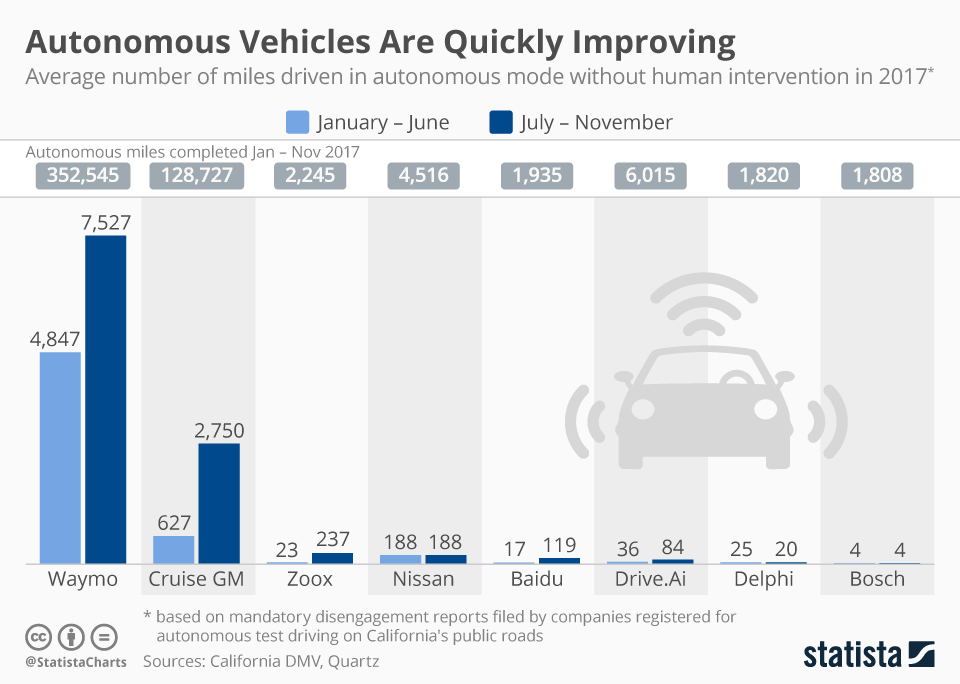
Waymo has already logged over 20 million miles of autonomous driving. Operating in cities like Phoenix, Austin, and San Francisco, Waymo’s safety reports are publicly available and demonstrate promising statistics:
- 70% reduction in crashes involving driver error
- 100% compliance with traffic signal recognition
- Use of redundant braking and steering systems for safety
Waymo’s data-driven approach is setting benchmarks for the entire industry.
Opportunities for Career Growth
The modernization of FMVSS doesn’t just affect carmakers—it also opens up new careers and upskilling paths.
- AV Safety Analyst: Ensures that data from self-driving systems meets federal and state safety thresholds.
- Fleet Technicians: Maintain electric and autonomous hardware, software, and sensors.
- Cybersecurity Engineers: Prevent hacking of vehicle software and protect data privacy.
- Regulatory Compliance Officers: Help companies navigate new FMVSS changes.
This is a moment to get educated, get trained, and get in the game if you’re in transportation or tech.
Understanding the Rulemaking Timeline
Here’s how the regulatory timeline breaks down:
- 2023–2025: NHTSA conducts FMVSS reviews and grants limited AV exemptions.
- Mid-2025: Draft proposals for revised standards released.
- Late 2025 to Early 2026: Public comment period opens on proposed changes.
- 2026 and beyond: Final rules adopted, creating a modernized regulatory framework for AVs.
The public can submit feedback through the Federal Register, ensuring democratic participation in shaping this historic transition.
$500 a Month, No Strings Attached; Are You Eligible for America’s First Guaranteed Income Program?